
The regional hub of Europa Nostra in Athens recently organized a series of online meetings with civil society organizations from three Balkan countries—Bulgaria, Kosovo*, and Albania—to discuss cultural heritage protection and promotion efforts at the local level.
The initiative brought together grassroots actors and experts to exchange best practices, present their work, and discuss shared challenges in the field.
Each session provided a valuable platform for local organizations to highlight their efforts to safeguard tangible and intangible heritage, as well as to raise awareness about the policy and institutional gaps that hinder more effective heritage management.
Online meetings with civil society organizations from three Balkan countries
The sessions, held between June 13 and 23, 2025, provided a space for organizations to present their work, share local challenges, and explore opportunities for cross-border collaboration and capacity building in the heritage sector.
Bulgaria – June 13, 2025
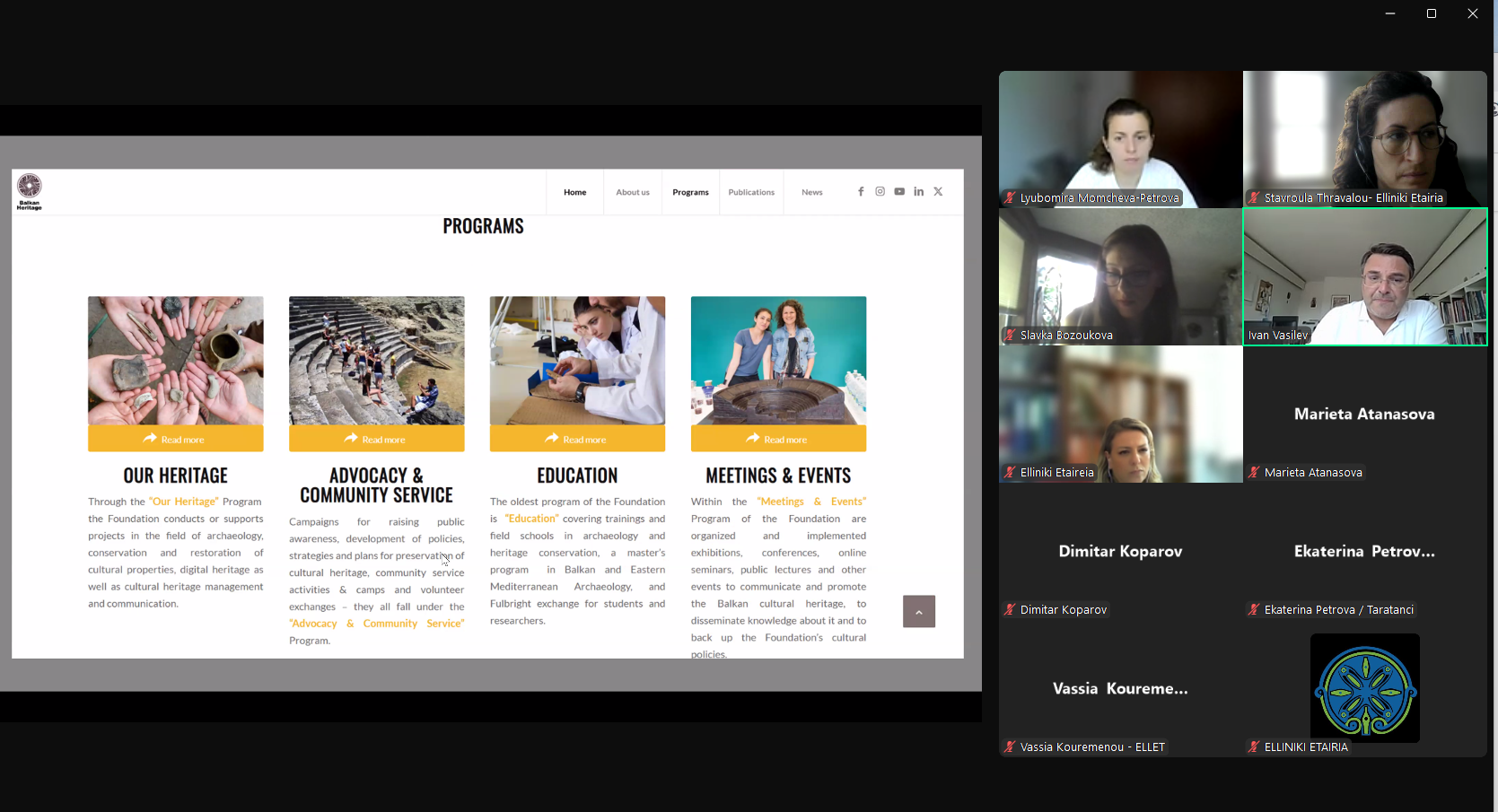
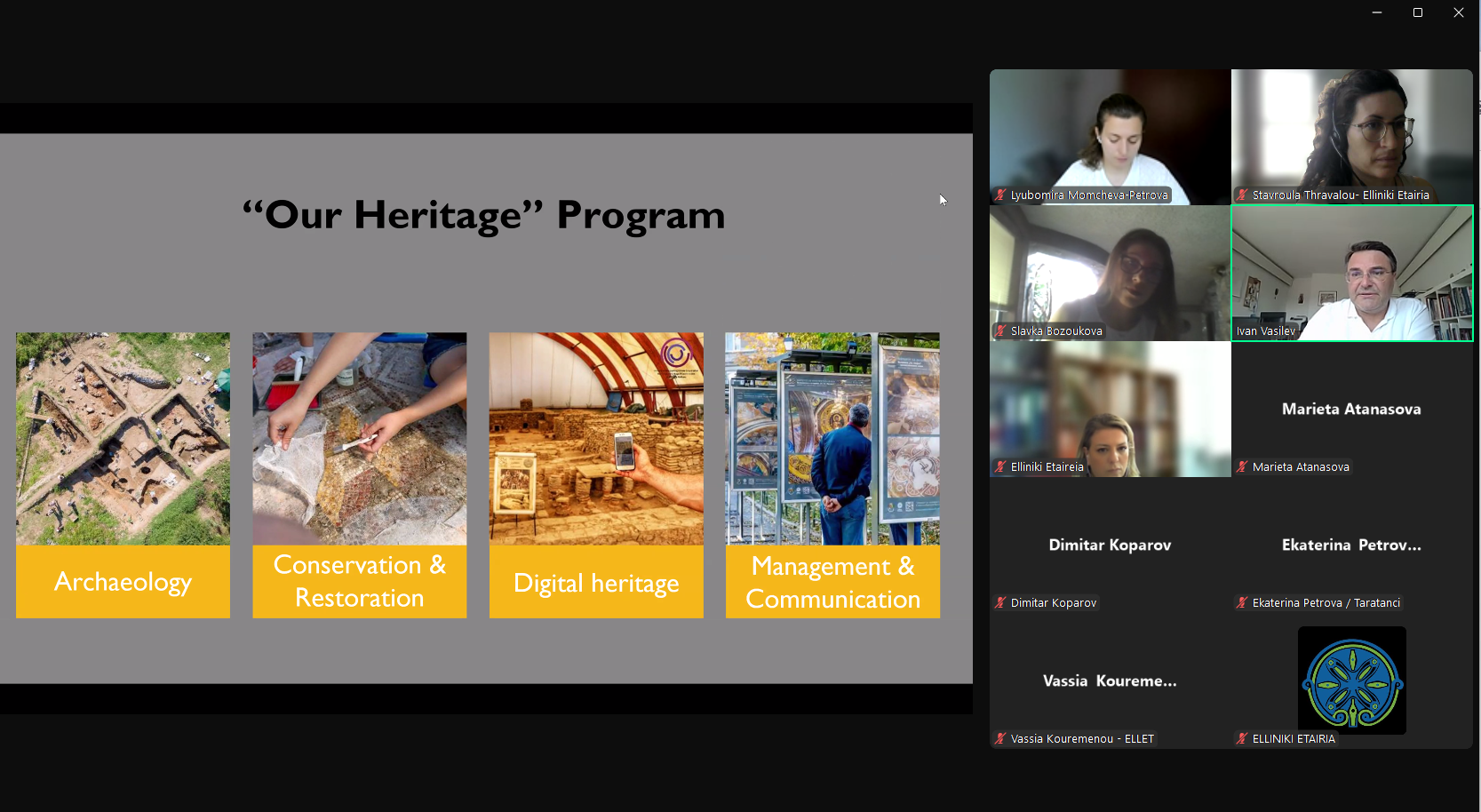
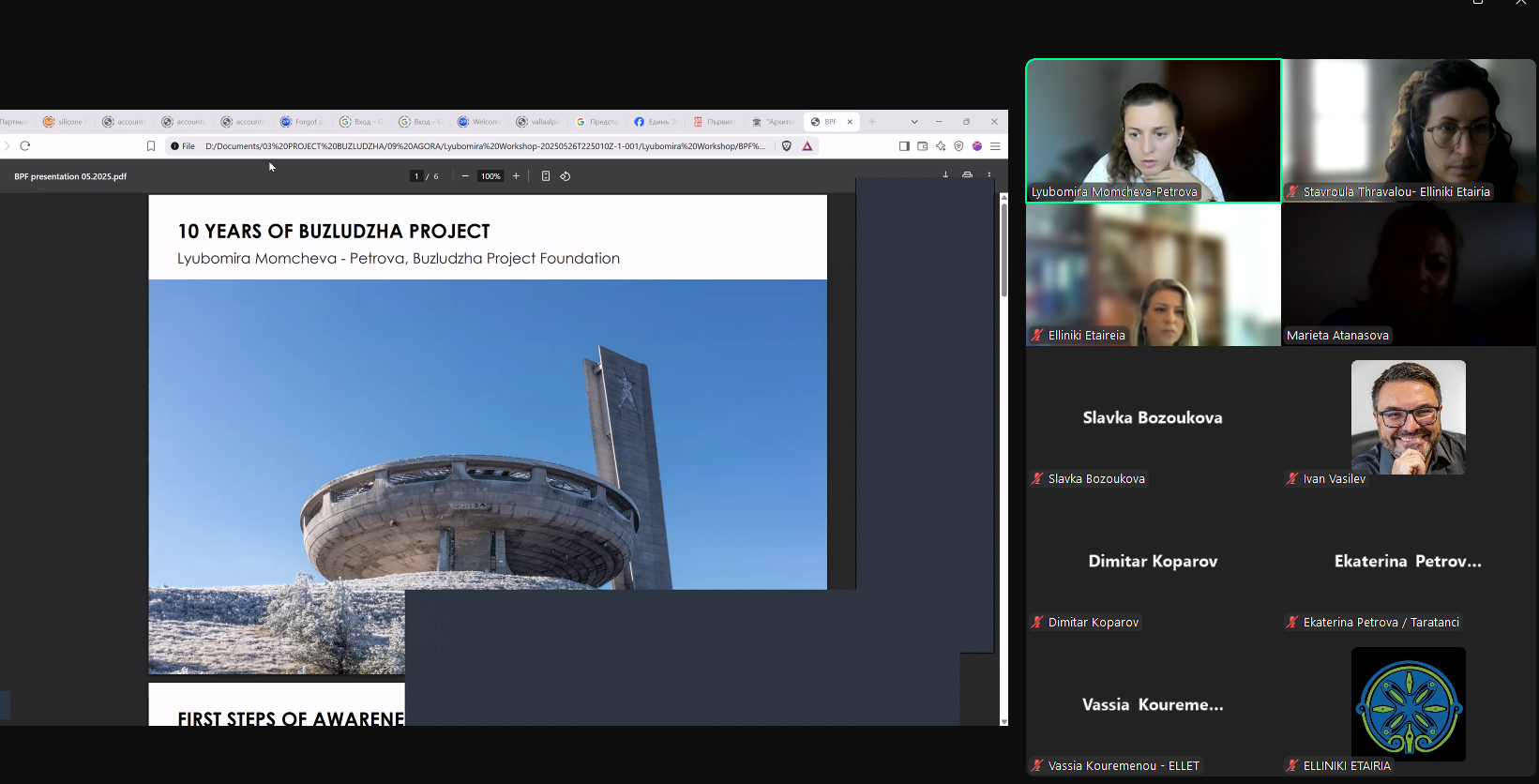
The first session featured organizations actively engaged in preserving Bulgaria’s diverse cultural legacy. The Balkan Heritage Foundation shared its work on archaeological field schools and community-based conservation efforts across Southeastern Europe, emphasizing the role of education in heritage protection. The Buzludzha Project Foundation presented its efforts to conserve the iconic, though abandoned, Buzludzha Monument—an emblem of Bulgaria’s modern history—highlighting the challenges of preserving controversial or politically sensitive heritage sites.
The DULO Association focused on reviving traditional Bulgarian clothing and crafts through cultural entrepreneurship, while the Cultural Heritage Society stressed the importance of public advocacy and citizen involvement in protecting vulnerable heritage sites. Discussion points included the need for an updated legislative framework, integration of community voices in decision-making, and improved state-civil society cooperation.
Kosovo* – June 18, 2025
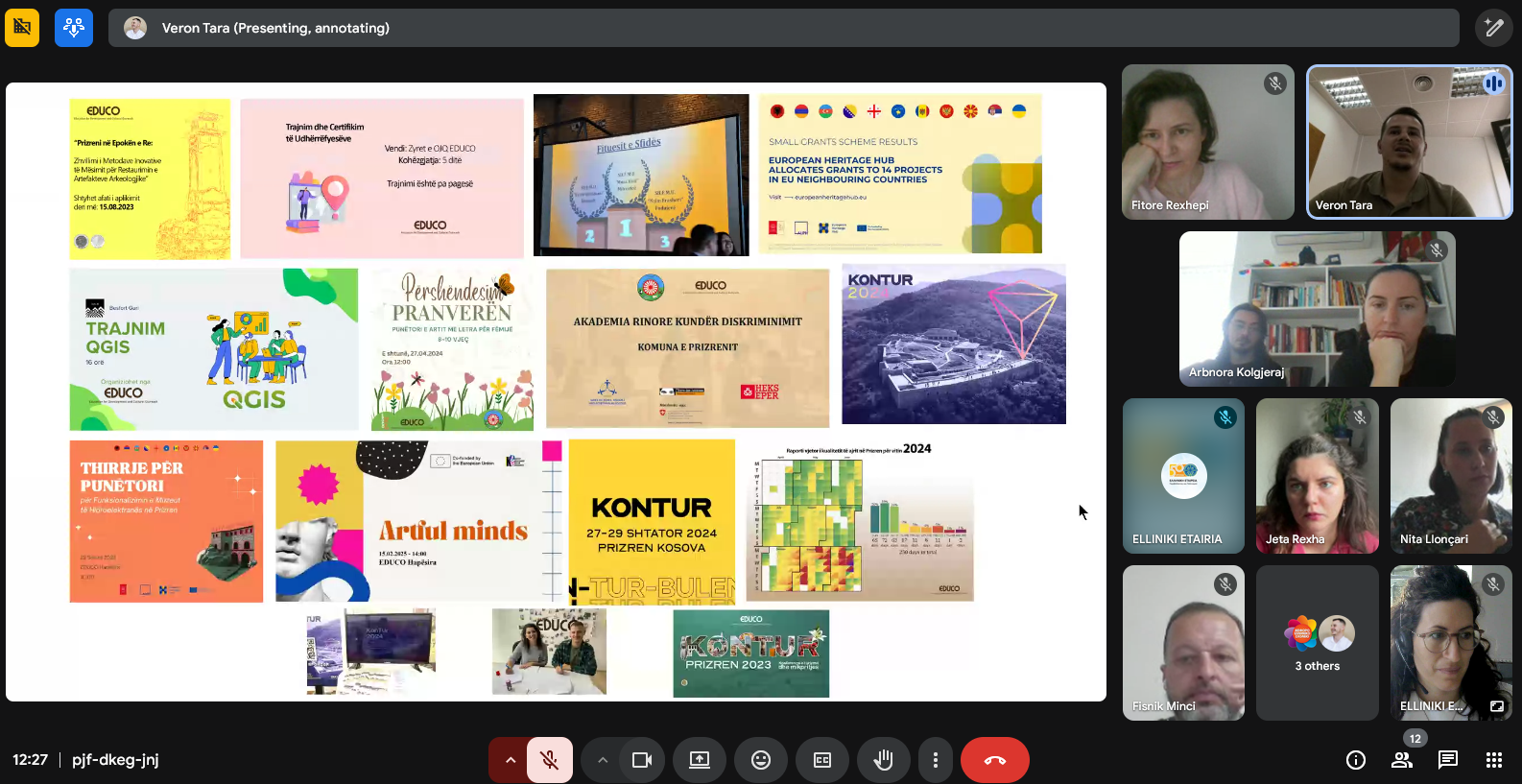
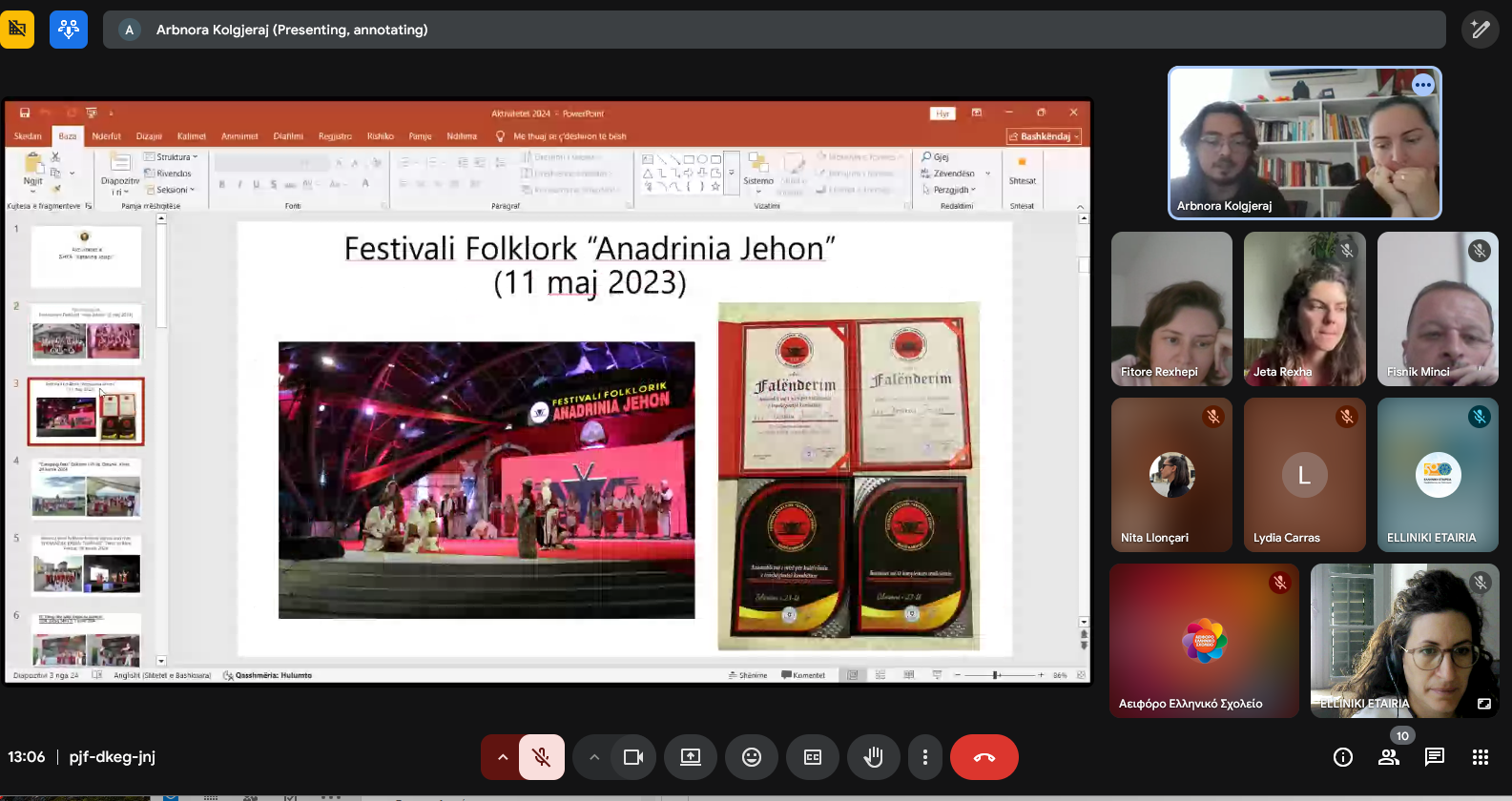
The second meeting brought together a diverse group of organizations working across education, oral history, arts, and site revitalization. EDUCO, shared its educational programs designed to foster cultural identity and heritage awareness among youth. They also presented their activities to revitalise Prizren’s cultural heritage, particularly focusing on the first Hydropower Museum, a project funded through the Small Grants Scheme of the European Heritage Hub. Thana emphasized the preservation of traditional crafts and local storytelling, underlining the threat of cultural erosion in rural areas.
EC MA Ndyshe, a contemporary arts organization, described its innovative programming that links modern cultural expression with historical memory. Meanwhile, the Oral History Initiative focused on its documentation of personal narratives to expand and humanize the historical record of Kosovo’s communities. The cultural association AEK “Katarina Josipi” showcased its work in preserving the region’s theatrical heritage, and the Lumbardi Foundation discussed the ongoing restoration and cultural programming of the historic Lumbardhi Cinema as a hub for civic engagement.
Key themes included the intersection of tangible and intangible heritage, youth involvement, and the need for sustainable cultural infrastructure.
Albania – June 23, 2025
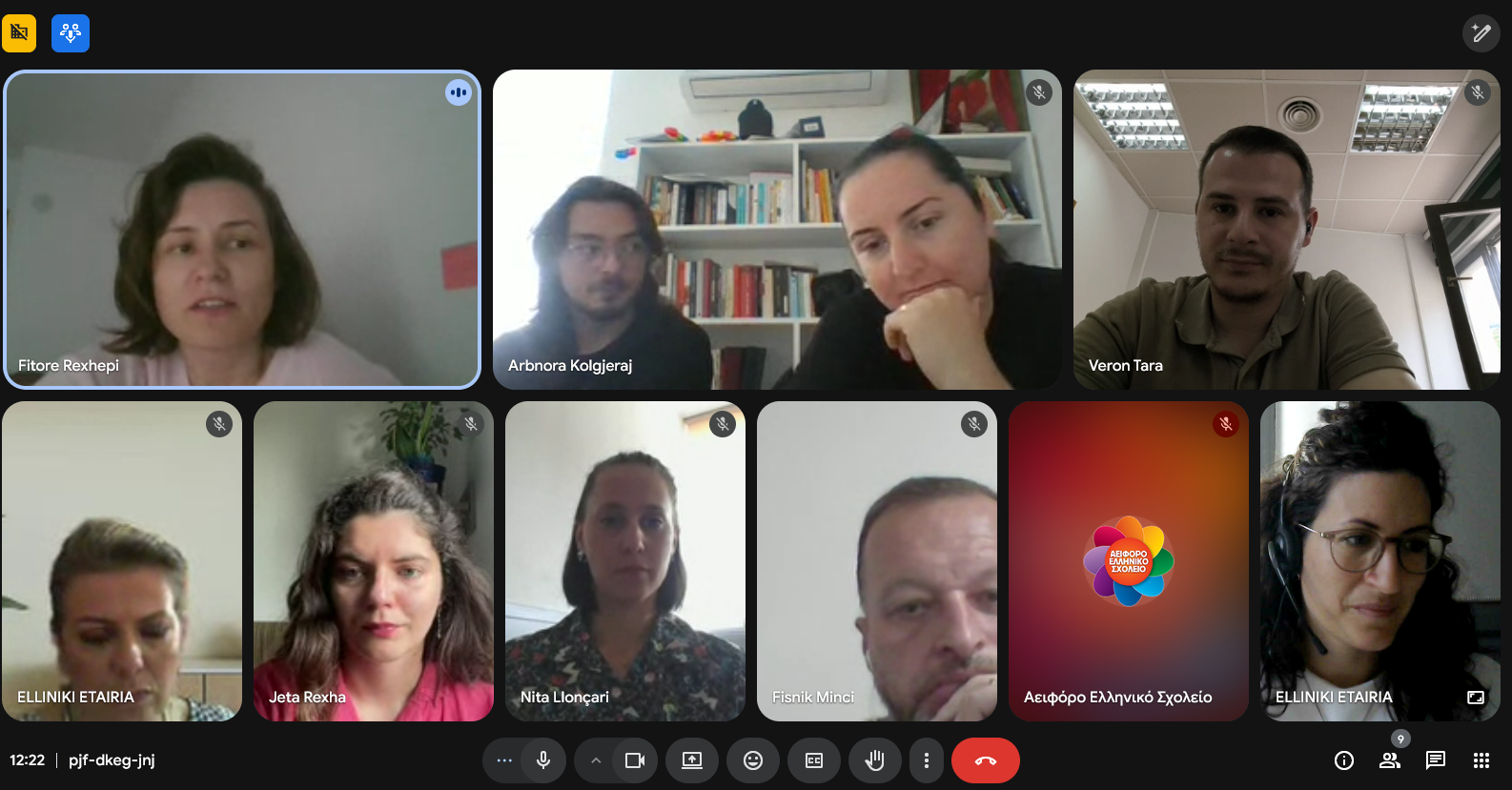
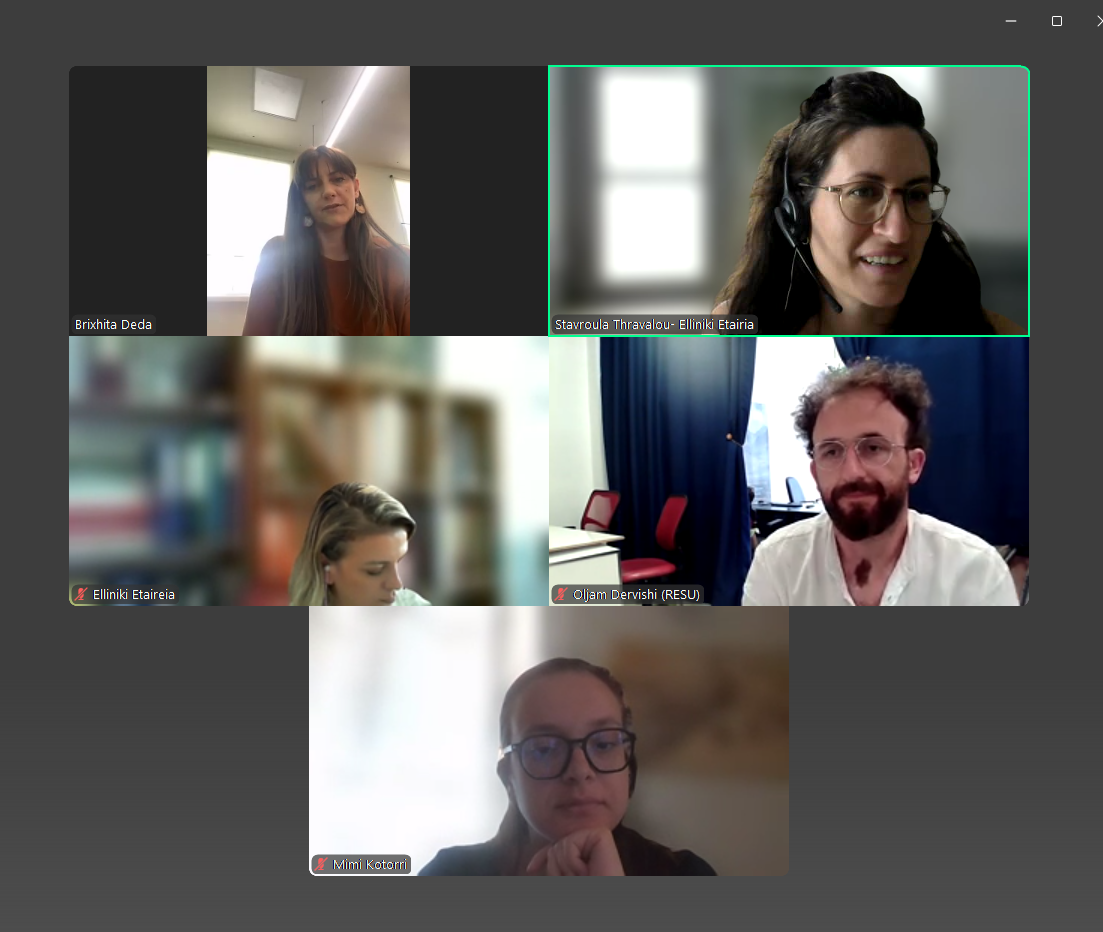
The third meeting was held with representatives form organisations in Albania. The Albanian Heritage Conservation Foundation discussed its restoration work on key historic buildings and the broader public awareness campaigns it leads to promote preservation. RESU, a youth-led organization, presented projects that link heritage with sustainable development, particularly in underserved rural communities. They also presented the results of their project in the framework of the Small Grants Scheme.
CEAPAL highlighted its educational and cultural programming aimed at promoting the Albanian language and cultural traditions, especially within diaspora and minority communities. The conversation also addressed the difficulties in accessing public funding, the undervaluation of cultural professionals, and the fragmentation of efforts among local actors.
Common challenges & future objectives
Across all meetings, a shared conclusion emerged: cultural heritage in the Balkans is deeply valued at the community level but lacks systemic support. The discussions revealed recurring issues across all three countries, including insufficient institutional frameworks, lack of resources and long-term funding, and weak cross-sector collaboration.
Participants called for stronger regional cooperation, increased training opportunities, and the development of joint advocacy strategies to strengthen the position of civil society organizations in cultural policymaking. Participants also emphasized the need for cross-border cooperation to enhance the impact of their work.
These meetings mark an important step toward building a regional network of organizations committed to cultural preservation, knowledge sharing, and joint advocacy. Athens Hub aims to continue supporting such initiatives that bridge communities and strengthen civil society cooperation in Southeast Europe.
*All references to Kosovo, whether the territory, institutions or population, in this document shall be understood in full compliance with United Nations’ Security Council Resolution 1244 and without prejudice to the status of Kosovo.