A knowledge and advocacy hub for Europe’s cultural heritage
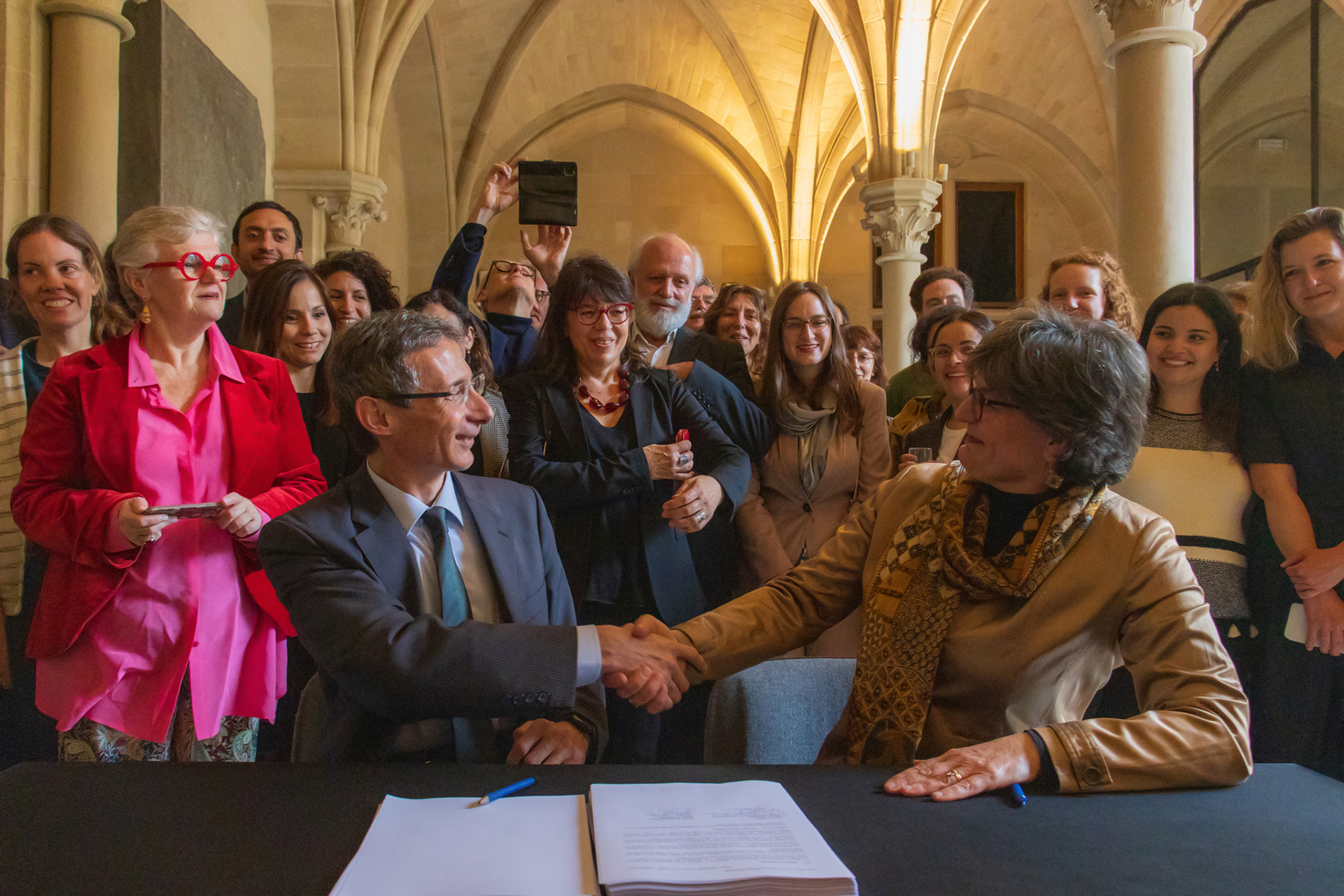
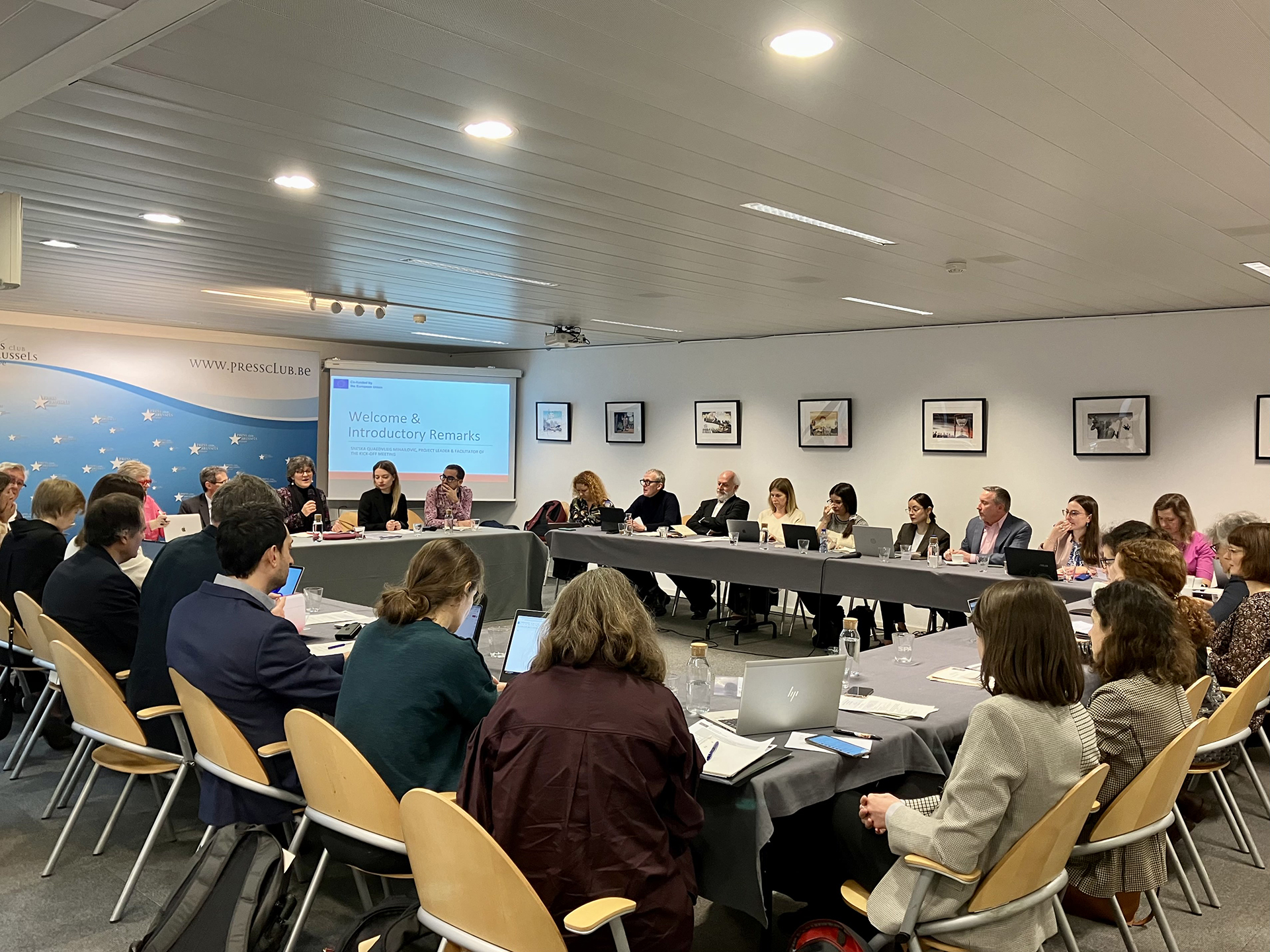
The European Heritage Hub gathers a large array of European cultural heritage stakeholders to support the transition towards a more sustainable, innovative and inclusive society. The project is formed by a consortium of 27 partners led by Europa Nostra. It is funded by the European Union as a Preparatory Action (2025-2027) following a two-year pilot phase (2023-2025).
The European Heritage Hub uses the concept of ‘triple transformation’ as an overarching theme for all its activities, from networking and capacity building to policy and advocacy efforts. The triple transformation framing highlights three strands of transformative change: green, digital, and social, which are all central to the Hub’s mission.
GREEN:
Heritage & Climate: Culture-based climate action: Cultural heritage is increasingly vulnerable to climate change, from extreme weather to environmental degradation. Yet, it also offers tools for sustainability, drawing on traditional knowledge and low-impact practices. In addition, the digital transformation of our sector carries an environmental impact that must be measured and mitigated. Integrating heritage into climate policy can enhance resilience and awareness, with culture-based solutions contributing to mitigation and adaptation.
Heritage & Tourism: Responsible sustainable cultural tourism: Cultural tourism represents 40% of all tourist activities in Europe. Cultural tourism offers economic benefits but risks over-tourism, cultural erosion, and environmental damage. Responsible models are needed to ensure authenticity, community benefit, and preservation. Heritage-led tourism must be sustainable and people-centred.
DIGITAL:
Heritage & Digital: Value-based digital technologies: The digital transformation presents opportunities for access and preservation, but also creates gaps in skills, raises ethical questions, and is resource-intensive. Many heritage actors struggle to keep pace with the rapid digital shift and the rise of advanced technologies like artificial intelligence. Capacity-building and partnerships with experts can unlock the full potential of digital tools.
SOCIAL:
Heritage & Communities: Local and regional development: Heritage can drive regeneration and cohesion in regions facing economic or social decline. However, its potential is often untapped due to lack of resources or inclusive governance. Community-led initiatives and decentralised hubs can unlock heritage as a tool for local development and social innovation. Acting at the local level is essential as cities and regions are the closest constituencies to citizens, repositories of important cultural heritage assets, laboratories for innovative cultural policies, and hubs for democracy and civic life.
Heritage & Youth: Youth empowerment:Young people remain underrepresented in heritage decision-making and engagement. To ensure sustainability, the sector must become more accessible, relevant, and participatory for youth. Solutions include youth-led projects, digital storytelling, and structured involvement in policy and governance.
Heritage & Values: Cultural citizenship, democracy and values: Cultural heritage supports shared values, civic identity, and democratic engagement. However, rising polarisation and unlawful practices challenge its unifying role. Heritage can be a platform for dialogue, inclusion, and active citizenship through education and participatory governance.
Heritage & Peace: Recovery and resilience in times of crises: In conflict or crisis, heritage is often targeted but also vital for recovery and identity rebuilding. Challenges include destruction of sites and disruption of cultural practices. Integrating heritage into post-crisis strategies supports resilience, peacebuilding, and social healing.
Cross-cutting:
Heritage & Music: Intangible heritage traditions and practices, with focus on music: Intangible heritage like music is threatened by globalisation and loss of transmission. Yet it remains a vital expression of identity and creativity. Community support, documentation, and digital media can help safeguard and revitalise these living traditions.
Heritage & Enlargement: Heritage as an asset for EU candidate countries: In EU accession countries, heritage plays a key role in reconciliation, identity-building, and EU integration. Challenges include fragile institutions and underfunded cultural sectors. Strengthened cooperation and capacity-building can position heritage as a driver of democratic alignment, local, social and economic development.
Heritage & Mediterranean: Heritage as the soul of Mare Nostrum: The Mediterranean holds rich, shared heritage but faces political, environmental, and preservation challenges. Cultural cooperation can foster mutual understanding and peace in the region. Cross-border partnerships and joint initiatives are vital to protect and promote this common legacy.
Aim & objectives
The main goals and objectives of the program are summarised below:
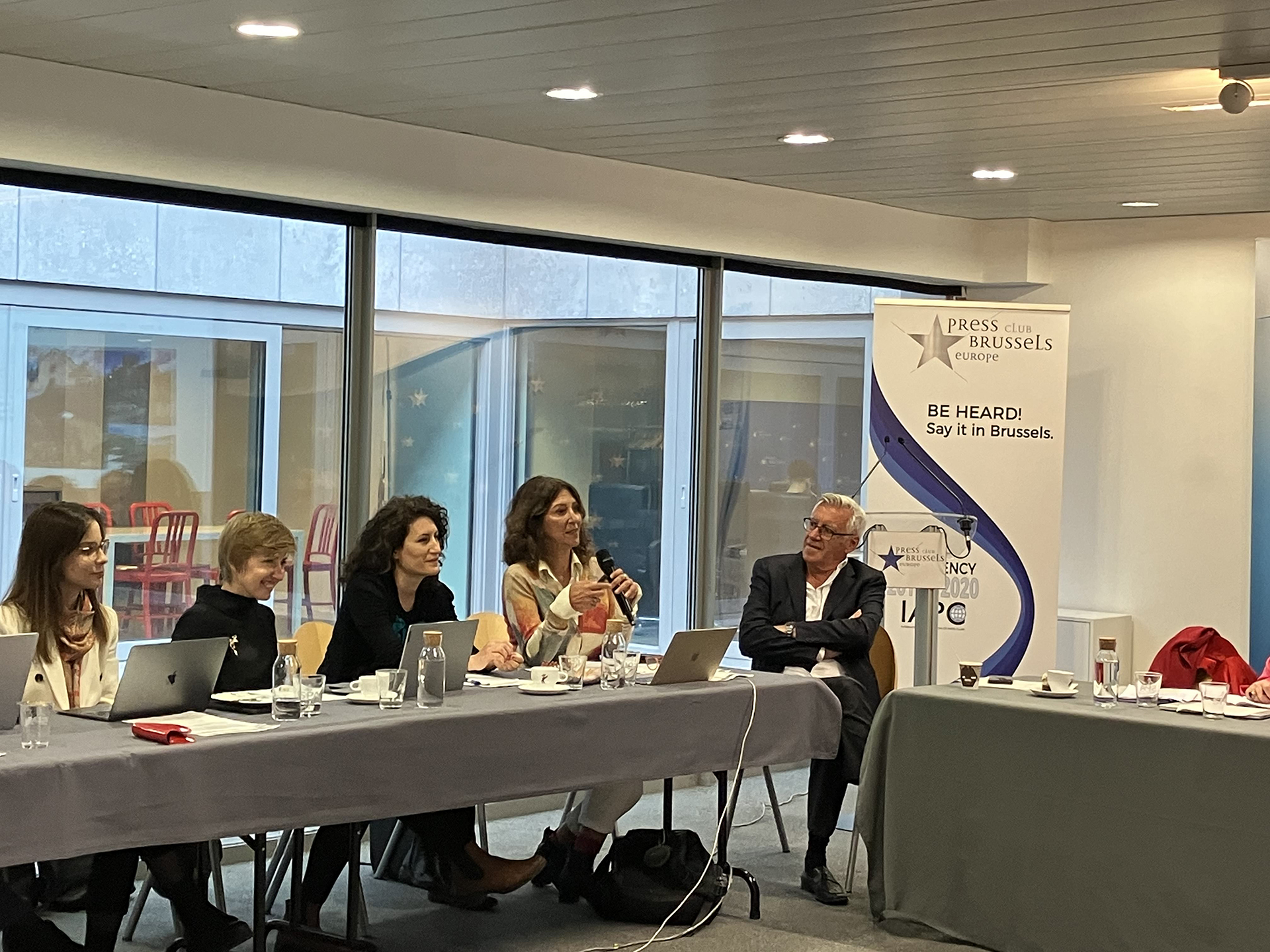
NETWORK: The Hub provides a unique platform for heritage actors to meet and network, encouraging the exchange of best practices beyond borders, and facilitating cooperation and synergies between existing or future projects. To this end, the pilot project has established a European Heritage Hub Community of Practice, for all stakeholders in the field of heritage, and a Community of Interest, for stakeholders not involved yet but have an interest to follow the activities of the Hub. You can register here.
TRAINING & CAPACITY BUILDING: In addition, the Hub has dedicated activities to foster co-creation, peer-learning and educational training of heritage stakeholders, with a focus on local actors and young people, on key issues related to heritage, such as climate action, green transition, inclusiveness, funding and education. As part of this engagement, throughout the two-year pilot period, the Hub organises 4 thematic ‘sharing local stories’ online workshops, 2 thematic onsite visits and at least 5 educational study visits in universities.
KNOWLEDGE SHARING & POLICY MONITOR: The Heritage Library, an interactive online database, collects a vast amount of heritage-related content, including studies, publications, policy papers, tools, guidelines and methodologies, among others. It is complemented by the Policy Monitor, an interactive platform where existing and new heritage-related policies from all across Europe is gathered.
POLICY & ADVOCACY: The Hub aims to see due recognition by policy-makers at all levels of cultural heritage as a contributor to all key EU priorities, such as climate action, inclusion of citizens and communities and innovative practices, which shall in turn translate into suitable policies and funding tools. In this framework, the Hub will publish research papers evaluating the existing heritage-related frameworks with regards to the 5 Pillars of the European Framework for Action on Cultural Heritage and policy recommendation papers stemming partially from events organised and data gathered by the Hub.
AMPLIFYING THE HUB NETWORK AND IMPACT IN EU NEIGHBOURING COUNTRIES: The Hub aims to mainstream heritage issues and stakeholders from 11 EU neighbouring countries (Albania, Armenia, Azerbaijan, Bosnia and Herzegovina, Georgia, Kosovo*, Moldova, Montenegro, North Macedonia, Serbia, Ukraine) in all its activities. It will also develop new initiatives with focus on capacity-building for civil society, the contribution of cultural heritage to the triple transformation as well as heritage activities fostering peace, reconciliation and the promotion of European values.